
Regen®: Engineered for Scale
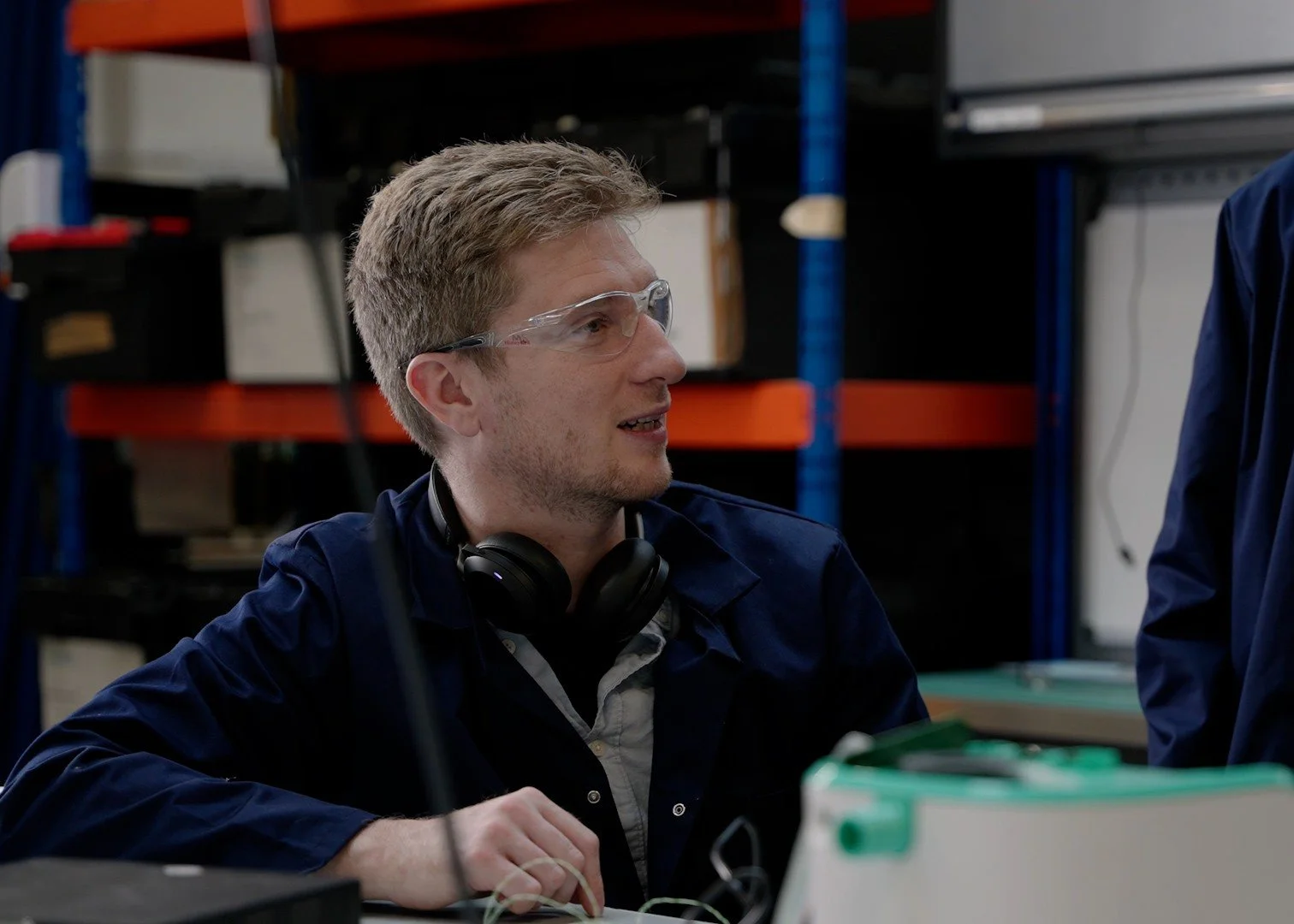
As our Regen® for Textiles pilot units enter the field, we spoke with Engineering Manager Mark Shaddick to find out more about Regen®.
Since joining Matter in 2022, Mark has worked across multiple stages of Regen® development, from integrating the technology into washing machines and retrofit devices to helping scale it for industrial applications.
In this Q&A, Mark shares insights into how Regen® works, the engineering challenges of scaling fibre filtration technology, and the opportunities that industrial deployment presents for textile manufacturers.
For readers who may be less familiar, can you explain how Regen® technology works at an industrial scale?
At its core, Regen® for Textiles is designed to filter out both natural and synthetic fibres generated during textile production. We use a relatively simple mesh to capture fibres - the real innovation lies in how we use it.
Rather than relying on a large filtration area, we reuse a smaller mesh surface whilst monitoring pressure across the mesh in real time to determine when captured material needs to be removed, allowing the system to operate efficiently and continuously.
One of the exciting features about our Regen® technology is that there aren’t fundamental differences between the technology at a domestic level and at an industrial level - it’s a truly scalable technology, designed from the outset to work across applications.
(For an even deeper dive into how Regen® works, as applied in our domestic filter, see our previous blog.)
What were the key priorities when designing Regen® for Textiles?
One of the biggest priorities when designing the industrial units was robustness and ensuring they could integrate into existing factory infrastructure as seamlessly as possible. From the outset, we wanted to develop a solution that manufacturers could adopt without having to completely overhaul their existing wastewater treatment systems. A key focus for the engineering team was therefore minimising the need for modifications while still delivering high-performance microfibre filtration.
Our ambition has always been to create technology that can be adopted at scale to maximise its environmental impact. That means designing solutions that not only deliver technical performance but also make commercial sense for manufacturers. By capturing fibres earlier in the treatment process and reducing the load on downstream systems, Regen® has the potential to lower operational expenditure (OPEX), creating a solution that's ultimately a win for both business and the environment.
What has been the biggest engineering achievement in getting Regen® for Textiles launch-ready?
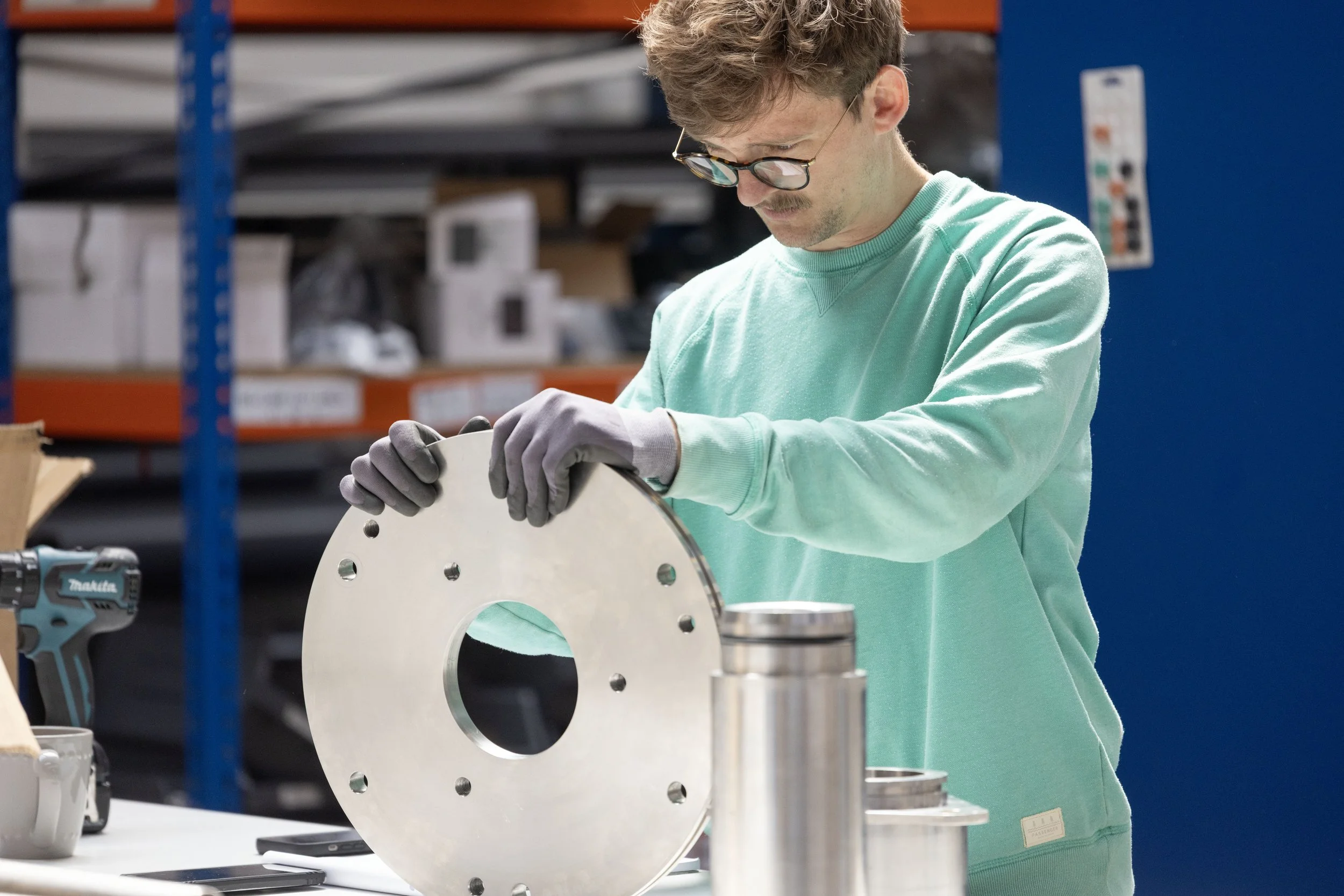
The building of a Regen® for Textiles unit
For me, one of the biggest achievements has been the speed at which the team has progressed from early-stage concepts through to full industrial systems ready for shipment.
Scaling technology at this level is incredibly complex, and moving from prototype development to large-scale engineered systems normally takes significant time.
The fact that we’ve been able to move so quickly while continuing to refine and improve the technology is a real credit to the team’s expertise, collaboration, and ability to solve problems at pace.
What challenges within textile manufacturing are these industrial units designed to solve?
Traditional wastewater treatment systems within textile manufacturing often require a large footprint because the treatment process itself can be relatively slow. They can also consume significant amounts of energy per cubic metre of water treated alongside considerable chemical usage.
Regen® for Textiles is designed to address those challenges much earlier in the process. By capturing fibres at the start of the wastewater journey, we can reduce the load placed on downstream treatment systems.
This approach helps manufacturers reduce overall energy consumption, minimise chemical usage, and decrease the physical footprint required for treatment infrastructure. It’s about making the entire process more efficient and sustainable from the ground up.
What are you most looking forward to as the pilot industrial units begin deployment?
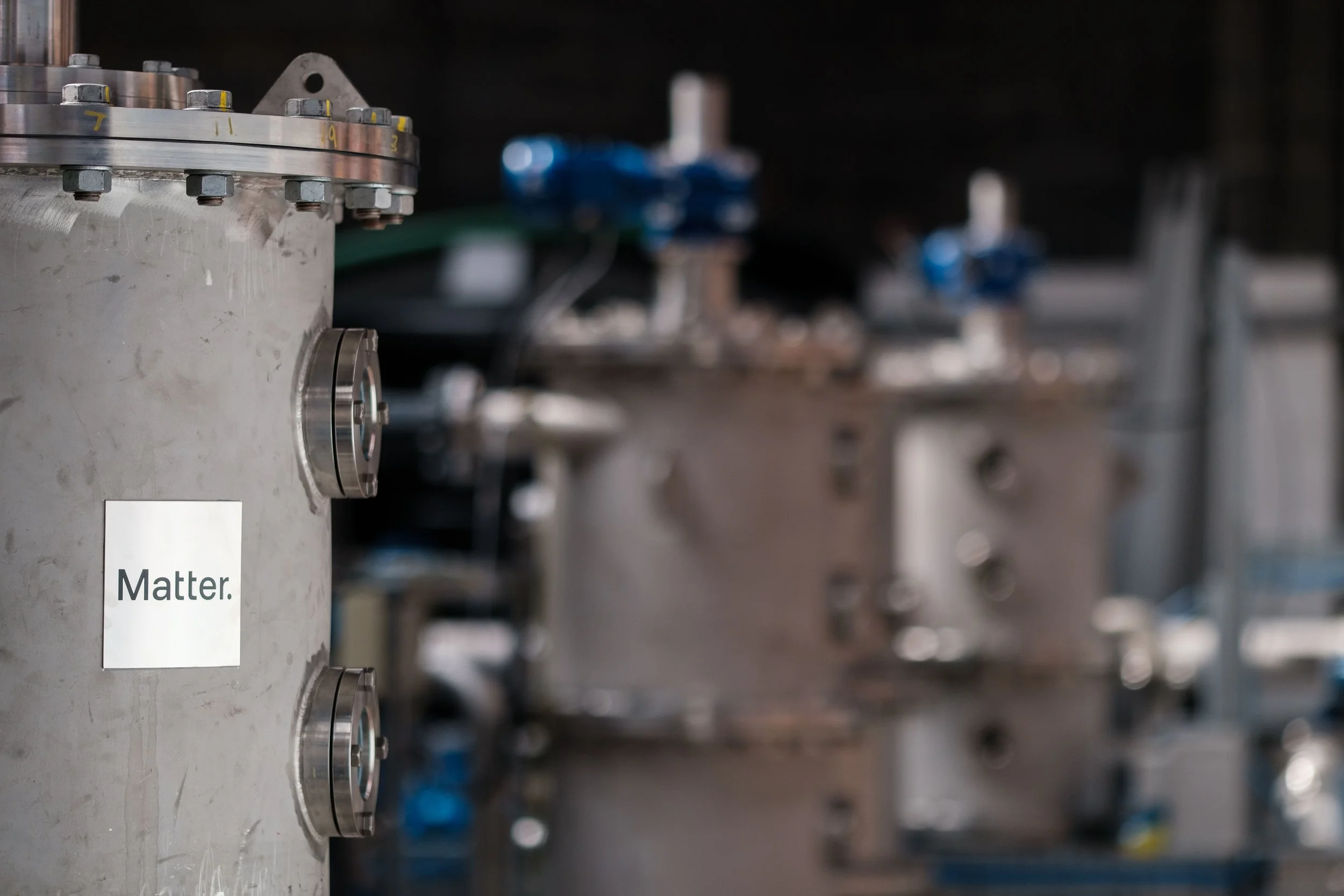
Regen® for Textiles pilot units
What we’re doing is seen as highly innovative within this space, and there’s a real sense of excitement from manufacturers and partners who are seeing the technology first-hand.
A lot of the conversations are now focused on the potential real-world impact the units could have, not only from a sustainability perspective, but also in terms of operational efficiency and return on investment. There’s genuine anticipation around seeing the long-term results once the units are deployed at scale.
