
The rising tide: Australia’s microplastic challenge

Last month, Matter’s Business Development Manager for Laundry, Louis Frank, travelled to Australia to meet with leading home appliance manufacturers to discuss how microplastic filtration technology can support both emerging consumer demand and upcoming regulatory change.
With microplastic pollution rising rapidly as a global environmental concern, Australia is fast becoming an increasingly important region for action. During the visit, discussions centred around both our existing retrofit Regen® solution and the opportunity for integration into next-generation washing machines.
We sat down with Louis to learn more about his first-hand perspective of the trip…
Why did Matter go to Australia?
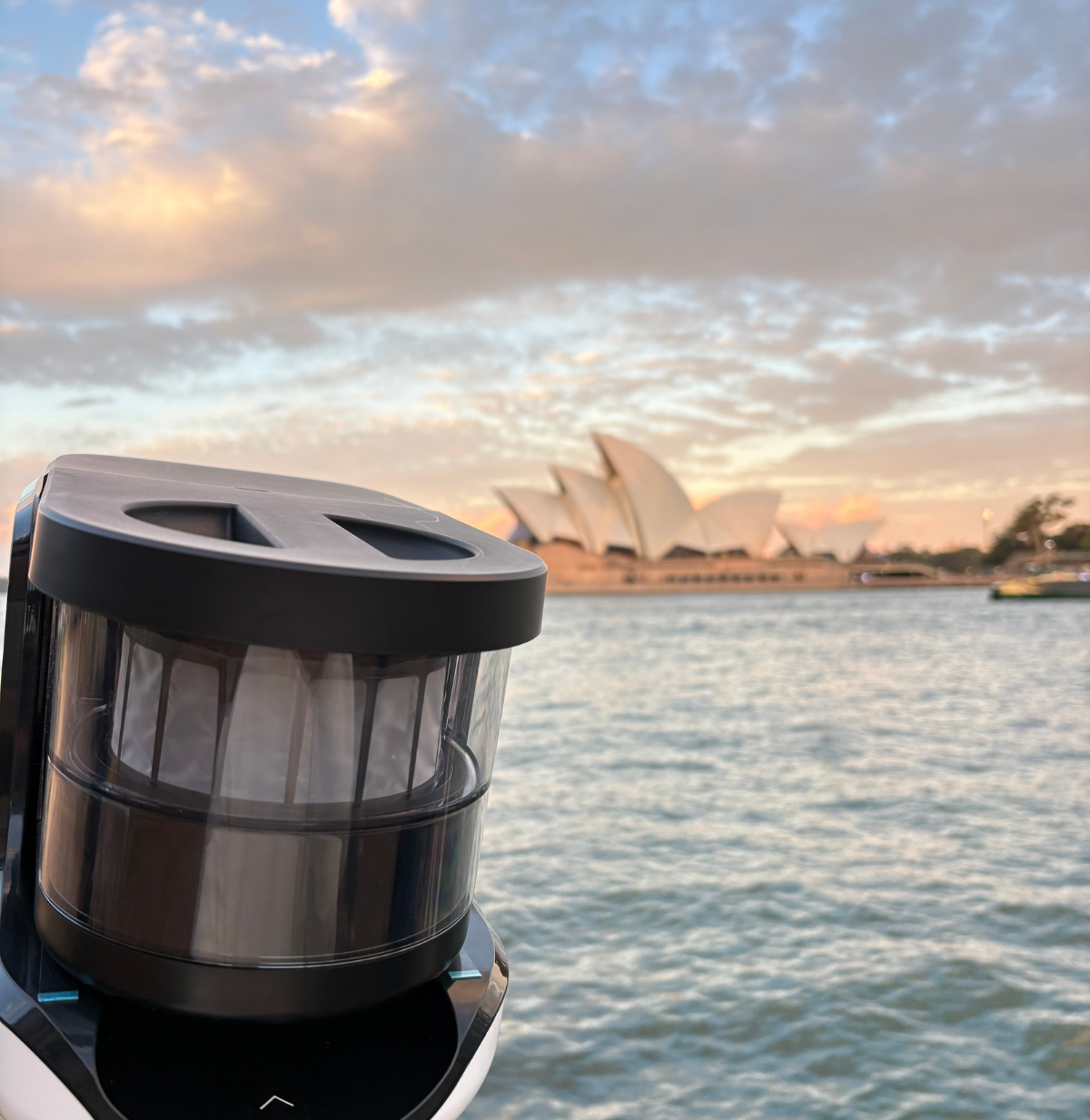
Matter’s domestic filter down under
Over recent months, we’ve seen growing momentum across Australia driven by two key factors: increasing consumer awareness of microplastic pollution and a clear regulatory direction set by government.
The New South Wales National Plastics Plan, which includes provisions for the phased introduction of microfibre filters on all new domestic and commercial washing machines by 2030, is a significant signal of intent. The policy is designed to reduce the release of synthetic microplastics into waterways, much of which originates from household laundry.
The purpose of our trip was to engage directly with home appliance brands to validate these drivers on the ground and explore how Matter’s Regen® technology can help support the market in responding to both consumer demand and anticipated legislation.
What happened during the trip?
During the trip we met with some of the most prominent home appliance brands in the region to discuss how the industry is approaching microfibre filtration and what solutions are currently being considered.
These conversations focused on how Matter can support brands in bringing effective filtration solutions to market, whether through retrofit applications already available today, or through integrated systems designed for future appliance models.
The discussions also provided an opportunity to share technical insight into Regen® and understand how different manufacturers are thinking about implementation, product development timelines and regulatory readiness.
What was the overall feedback?
Overall, feedback we received on the desire to act and implement solutions to being tackling the problem was highly positive.
However, like many sectors facing evolving environmental regulation, appliance manufacturers are balancing this with a range of technical and commercial pressures. The conversations reinforced the importance of practical, scalable solutions that can be integrated without disrupting existing product development cycles.
What was clear throughout was that there is a strong willingness across the board to take this subject matter seriously and treat it as a priority.
What kind of movement is there in the legislative space in Australia?
Momentum behind the New South Wales National Plastics Plan is strong and microplastic pollution has been described as ‘the next cab off the rank’ of environmental initiatives which they are looking to pursue.
Manufacturers should prepare early- particularly as expectations around product responsibility and environmental performance continue to rise.
Matter is well positioned within this space, with the ability to support both current retrofit applications and future integrated solutions as the regulatory landscape develops.
How are the Australian public responding to the issue of microplastics?

Sydney skyline at night
Alongside industry and policy developments, consumer awareness is also playing a significant role in shaping the market.
Matter have conducted our own research to substantiate the feedback we have heard regarding an increased awareness and desire to act.
In the consumer survey we conducted, 80% of the 1000 respondents surveyed said they would be willing to take action to reduce microplastic pollution in the home. Of those surveyed, 77% say they would support legislation to reduce microplastics in Australian waterways with only 5% opposing any regulation at all.
These findings reflect what was also evident during the trip: awareness is growing quickly, and consumers are increasingly expecting action from manufacturers.
What’s next for Matter and Australia?
The visit provided an important opportunity to strengthen relationships with key stakeholders in the Australian market and deepen our understanding of how the industry is responding to emerging demand and regulation.
We returned with a clear sense of momentum and confidence.
Next steps will focus on continuing discussions with the manufacturers we met, supporting the development of both retrofit and integrated filtration solutions, and further engaging with industry bodies and policymakers as the regulatory landscape evolves.
