
The Plastic Detox
A Turning Point for Microplastic Action: Reflections on the Netflix Documentary and What Comes Next
Anthony Kolanko, Chief Revenue Officer, Matter.
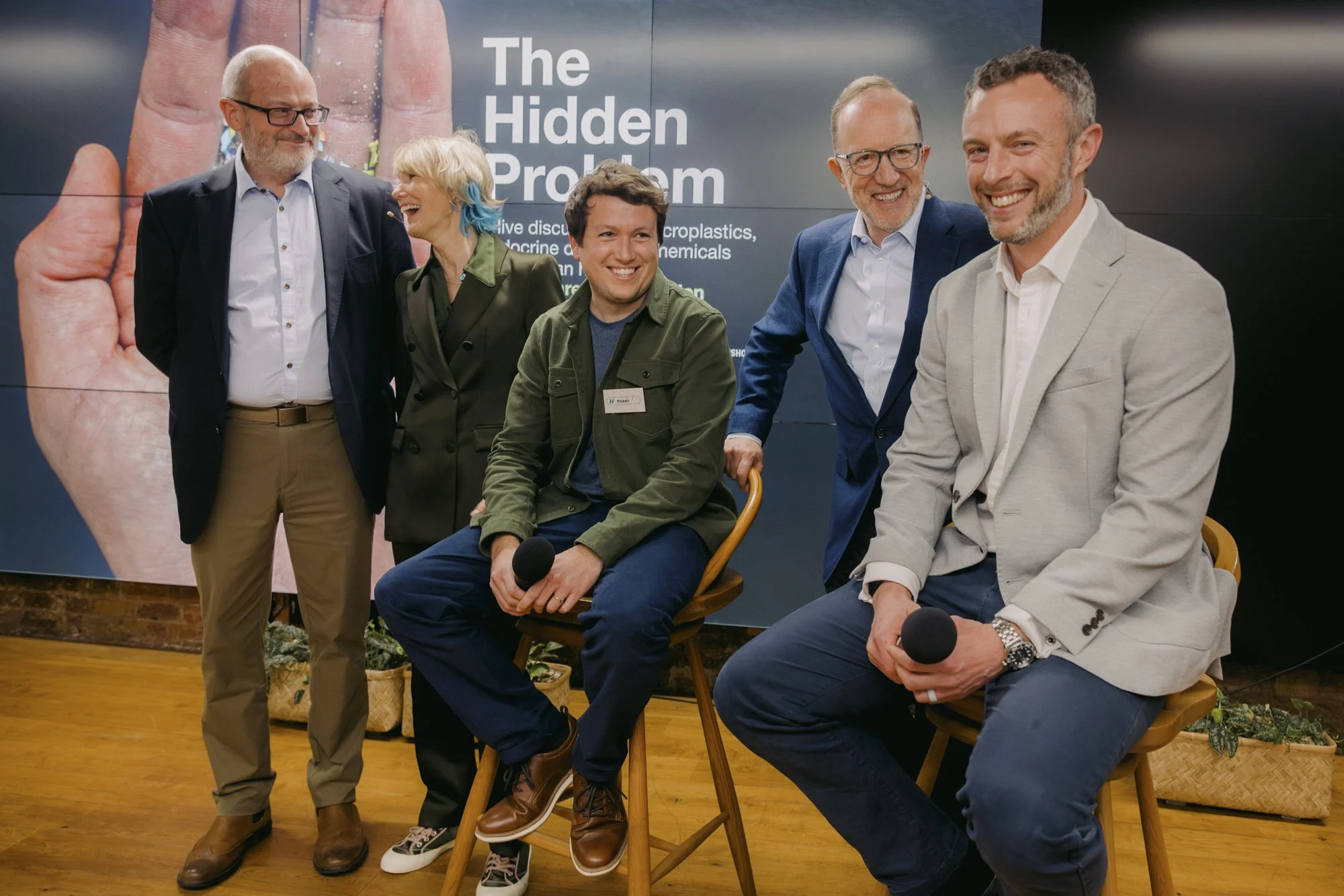

The release of the new Netflix documentary on microplastics marks a cultural moment that’s been building for years. For many viewers, it will be the first time they see, clearly and unavoidably, how deeply microplastics have entered our environment, our homes, and even our bodies. For those of us working in this space every day, it’s a powerful reminder that the science is no longer niche, the impacts are no longer abstract, and the solutions can no longer wait; the human story is laid bare in a way we can all relate to.
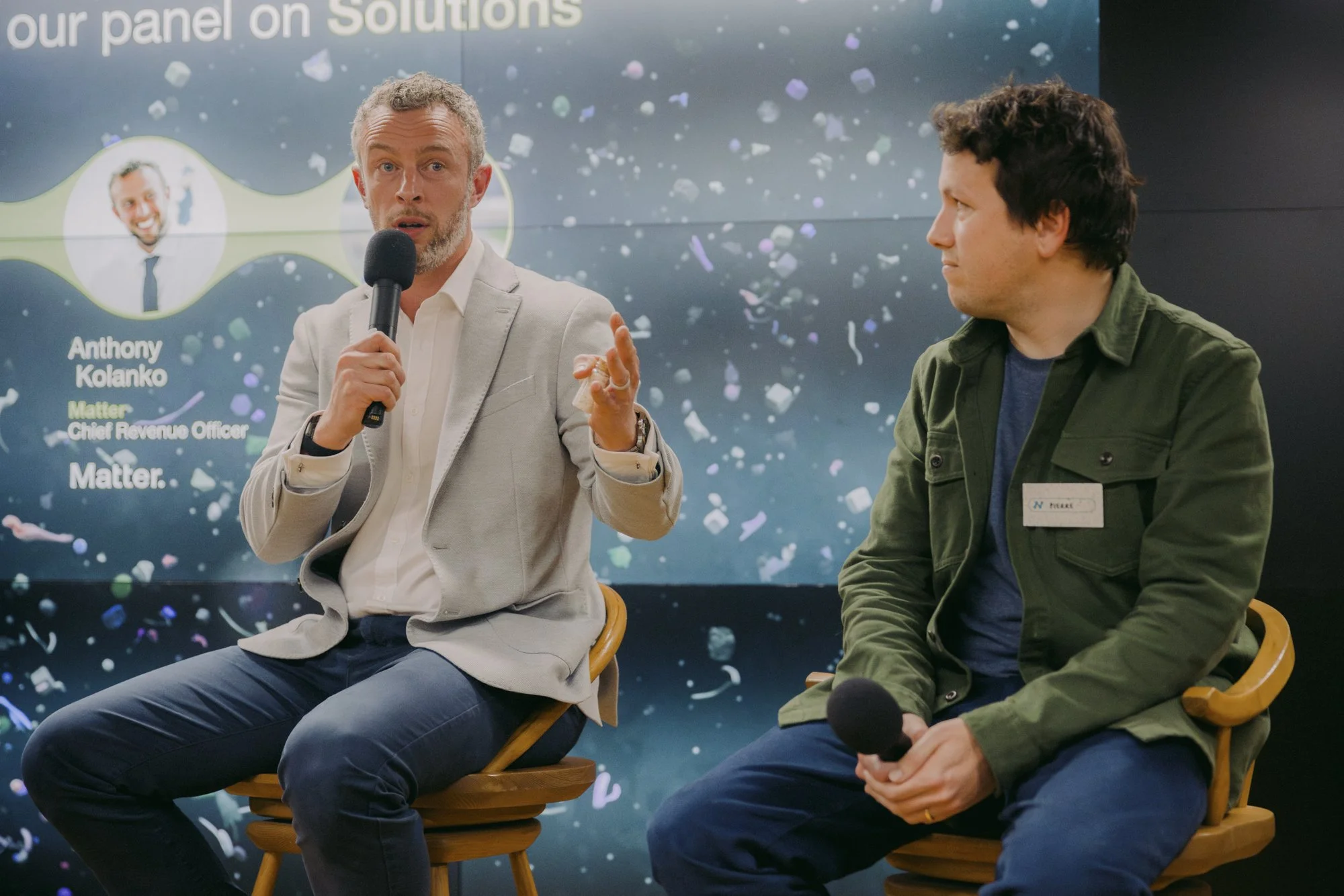
Last night, I had the privilege of speaking at an event hosted by Notpla and Earthshot, alongside scientists, innovators, and policy leaders who have been pushing this conversation forward long before it was mainstream. What struck me was the shared recognition that while the problem is complex, there is much to be positive about as many of the solutions we need already exist today, and innovation is only strengthening our options for change. This is a moment in time where positive impact is possible.
The Textile Challenge: A Hidden but Enormous Source of Microplastics
One of the most urgent scientific realities highlighted in the documentary is that textiles are among the largest contributors to microplastic pollution. Every wash cycle releases hundreds of thousands of microfibres, many of which escape wastewater treatment and end up in rivers, oceans, soil, and ultimately our food systems.
At Matter, we’ve been focused on this challenge from the ground up. Our domestic filtration technology is designed to capture microfibres directly from household laundry, stopping pollution at the point of release, before it enters the environment. This isn’t a theoretical solution; it’s a practical, scalable one that families can use today to reduce their environmental footprint.
But household washing is only part of the story.
Scaling Up: Tackling Microfibres at Industrial Source
A significant proportion of microfibres are shed long before a garment reaches a consumer, at the beginning of a garment’s life, during production, fabric finishing, and industrial washing. That’s why we’re scaling our technology to support manufacturers and industrial partners who want to eliminate microfibre pollution at source.
This upstream approach is essential. If we can help industries capture microfibres during production, where shedding is most prevalent, we can prevent billions of particles from ever entering the environment. It’s a systems-level solution that complements consumer action and accelerates meaningful change across the textile value chain.
Policy Momentum: A Global Shift Is Underway
One of the most encouraging developments is the growing recognition from policymakers that microplastic pollution requires regulatory action. Countries around the world are beginning to take notice, and here in the UK we’re seeing real momentum with the upcoming Microplastics (Washing Machine) Bill, which would require new washing machines to include microfibre filters as standard.
This kind of policy is not just symbolic, it creates the conditions for widespread adoption of solutions that already exist. It also sends a clear message to manufacturers: microplastic mitigation is no longer optional.
But policy alone won’t solve the problem. It must be matched by pressure from consumers and leadership from brands. When people demand cleaner products, and when companies commit to responsible production, the entire system shifts.
A Moment of Urgent Optimism
The Netflix documentary will spark conversations in living rooms, classrooms, and boardrooms around the world. It will raise awareness, but awareness must lead to action. The science is clear, the technology is ready, and the public is paying attention.
We now have a window of opportunity to reshape how materials are made, used, and cared for. By working together, scientists, policymakers, manufacturers, brands, and households, we can dramatically reduce microplastics and protect the health of our families and communities.
This is a moment of positive urgency. The problem is vast, but so is our collective capacity to solve it. The next steps we take, across industries and across society, will determine the world we pass on to future generations.
